
Window & Trim Restoration in Methuen, MA
Older windows and exterior trim are built to last — but only if they are properly maintained. In New England, the combination of harsh winters, humid summers, and decades of freeze-thaw cycling strips paint, dries out glazing compound, and allows moisture to work into wood that was never designed to be left unprotected. VIP Painting provides professional window and trim restoration services in Methuen, MA, serving homeowners in Andover and North Andover who want to preserve what they have, maintain the character of their home, and extend the life of original windows and trim.
Are your windows and trim showing signs of peeling paint, failing glazing, or wood deterioration? Contact VIP Painting in Methuen today to schedule your restoration estimate.
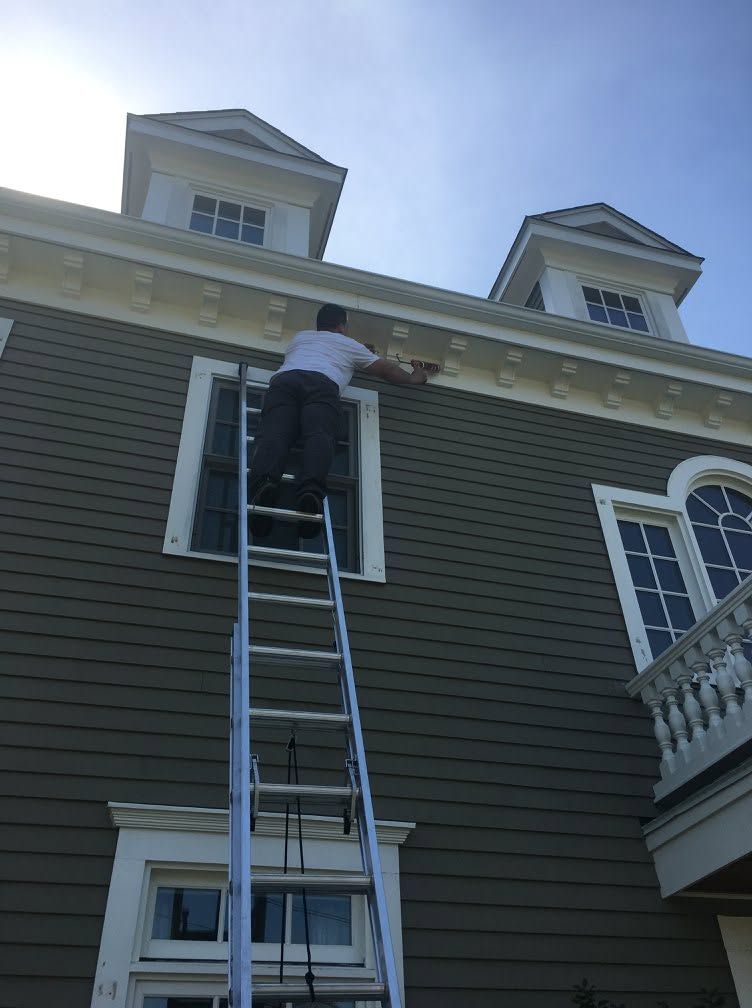
Scraping and Stripping Deteriorated Paint
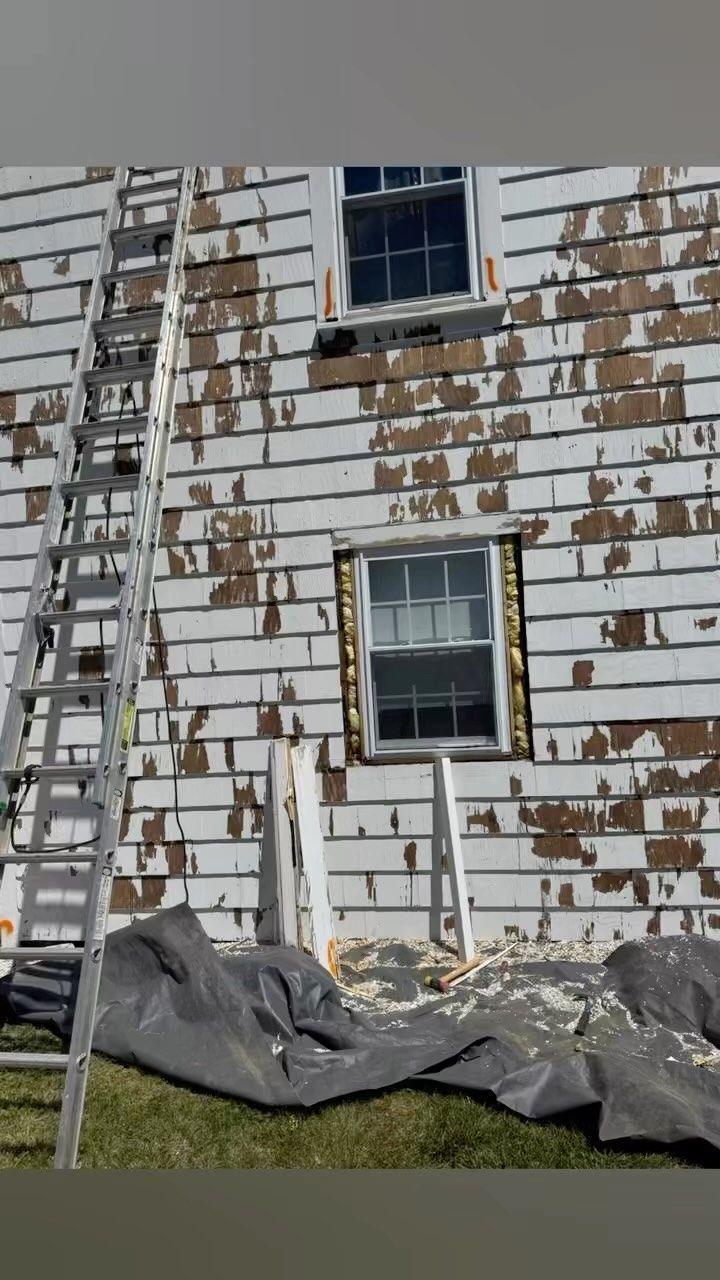
Restoration begins with removal. Paint that is peeling, alligatoring, or failing at the adhesion level cannot simply be painted over — new coats applied over unstable existing paint will fail on the same timeline as the paint beneath them. VIP Painting removes deteriorated paint from window frames, sash, and trim surfaces down to a stable substrate before any other work begins.
Hand Scraping
Hand scraping with high-quality carbide scrapers is the standard method for removing failing paint from window and trim surfaces. It allows precise control around glass, muntins, and detailed profiles without damaging the underlying wood.
Heat and Chemical Stripping
Where paint buildup is excessive — particularly on historic windows with many decades of accumulated layers — heat guns or chemical strippers are used. Lead paint protocols are followed on pre-1978 homes in accordance with EPA RRP guidelines.
Sanding and Surface Refinement
Once failing paint has been removed, sanding refines the surface in preparation for glazing, priming, and painting. Bare wood is sanded to open the grain and improve primer penetration. Remaining sound paint layers are feathered at their edges to eliminate the step between painted and stripped areas. Sanding also reveals wood condition that scraping alone may not expose — soft spots, early-stage rot, and areas of grain separation become apparent once the surface is sanded clean.
Glazing
Glazing compound is the bedding and sealing material that holds individual panes of glass in a wood window sash. When it fails, the consequences move quickly from cosmetic to structural. VIP Painting removes all loose, cracked, and failing glazing compound from the sash before reglazing begins. The wood rabbet is cleaned, primed with an oil-based primer, and allowed to cure before new glazing is applied. Fresh glazing compound is worked into the rabbet with a putty knife, tooled to the correct profile, and allowed to skin over before being primed and painted.
Priming for Restoration Projects
Primer selection and application on restoration projects requires more consideration than on new construction. The surfaces involved are a mix of bare wood, old paint, epoxy repairs, and fresh glazing compound — each with different porosity, flexibility, and adhesion requirements.
Oil-Based Primer for Bare Wood and Glazing
Oil-based primer penetrates bare wood more deeply than latex, sealing the grain and providing a stable foundation for the finish coats. It is the correct primer for wood rabbets before glazing and for bare wood on window sash and exterior trim where moisture resistance is a priority.
Latex Primer for Recoat Surfaces
Where existing paint is sound and the work involves recoating rather than full stripping, a high-quality exterior latex primer provides the adhesion bridge between the old surface and the new finish coat.
Historic Window Restoration
Historic and original wood windows are worth preserving. The old-growth wood used in windows manufactured before the mid-twentieth century is denser, tighter-grained, and more naturally rot-resistant than the wood available today. VIP Painting approaches historic window restoration with the understanding that the goal is preservation, not approximation.
Sash Removal and Shop Work
Where access and project scope allow, sash are removed from the frame for shop-level restoration. Working on a removed sash allows complete access to all four sides of each rail and stile, proper back-priming before reinstallation, and full glazing work without the constraints of working in place.
Wood Consolidation and Epoxy Repair
Soft or partially deteriorated wood in historic sash and frames is treated with epoxy consolidant to harden remaining wood fibers before epoxy filler is used to restore the original profile.
Frequently Asked Questions About Window & Trim Restoration in Methuen, MA
Is it worth restoring old wood windows instead of replacing them with vinyl?
In most cases, yes — particularly for homes with original wood windows in reasonably sound condition. Old-growth wood is denser and more rot-resistant than modern lumber, and a properly restored wood window will outlast a vinyl replacement window.
How do I know if my window glazing needs to be replaced?
Glazing that is cracked, shrunk away from the glass, missing in sections, or soft and crumbling needs to be replaced. Sound glazing has a firm, continuous profile that adheres cleanly to both the glass and the wood rabbet with no gaps.
How long does properly maintained window glazing last?
Glazing compound protected by a well-maintained paint film can last twenty to thirty years or more. The paint film is what prevents the compound from drying out and cracking.
What is the correct primer to use on bare wood window sash?
An oil-based alkyd primer is the correct product for bare wood on window sash and exterior trim. It penetrates the grain more deeply than latex and provides superior moisture resistance at the surface.
Can window sash with significant rot be restored or does it need to be replaced?
It depends on the extent and location of the rot. Rot limited to the surface of rails and stiles can often be addressed with epoxy consolidant and filler. When rot has progressed through the full thickness of a structural member, replacement becomes the more practical solution.
Does VIP Painting follow lead paint safety protocols for older homes?
Yes. Homes built before 1978 may contain lead-based paint, and work that disturbs lead paint surfaces is subject to EPA RRP regulations. VIP Painting follows the appropriate containment, work practice, and cleanup procedures.
What is the difference between reglazing and replacing a window?
Reglazing replaces only the glazing compound that holds the glass panes in the existing wood sash — it is a restoration procedure that preserves the original window. Replacing a window involves removing the entire sash and frame assembly and installing a new unit.
How many coats of paint does a properly restored window need?
A fully stripped and restored wood window requires a primer coat over bare wood, a second coat of primer or first finish coat once repairs and glazing are complete, and a final finish coat.
Can VIP Painting restore windows on historic homes in Methuen and Andover?
Yes. VIP Painting has experience working on historic properties and approaches original wood windows with the understanding that preservation is the goal.
How often should exterior window trim be repainted in New England?
Exterior window trim in the Methuen area typically needs repainting every five to eight years, depending on sun exposure, paint quality, and how well the previous job was prepared.